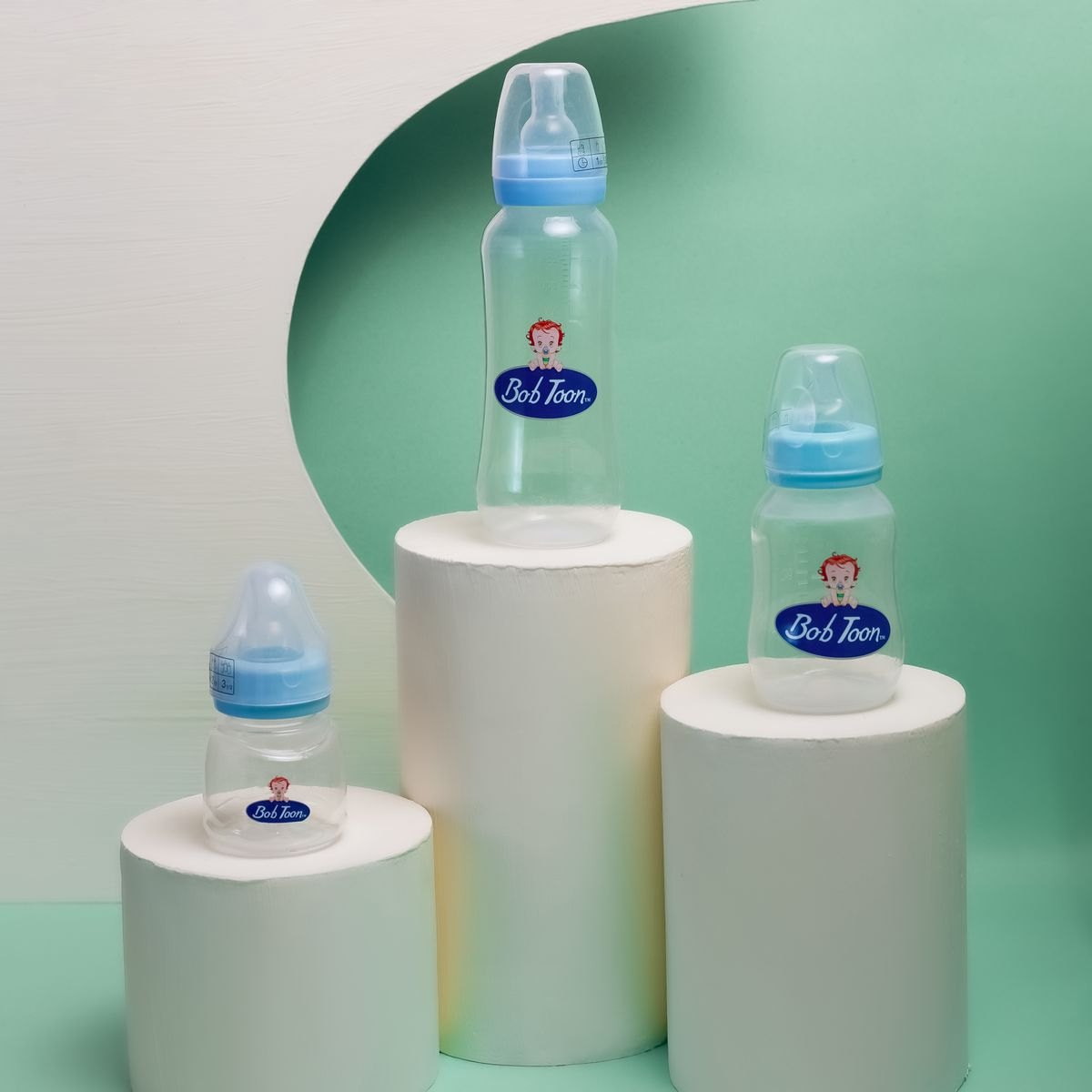
An orderly bottle shelf cannot make milk safe by itself. Safe preparation and storage depend on the product, the milk and your baby's circumstances. Keep the relevant official guidance and any instructions from your care team with the equipment so every caregiver follows the same process.
Separate expressed-milk storage information from formula instructions. Do not use one set of time limits for both. If your baby was premature, is unwell or has an individual feeding plan, ask the care team which instructions apply at home. A general chart found online may describe a different situation.
Label what another caregiver needs to know
For expressed milk, use appropriate storage containers and record the expression date and time in a readable way. Keep the original date clear rather than repeatedly changing labels. The Healthy Parents, Healthy Children resource includes expressed-milk handling information; confirm any uncertainties with your provider.
Choose a place for the approved labelling supplies where they will not be confused with feeding equipment. If more than one child has different feeding instructions, use unmistakable names or identifiers. A colour alone may not be clear to a new helper or someone using the kitchen in low light.
Avoid a shelf full of containers whose status only one person understands. Make it clear which items are ready for the next step and which have already been used. When there is uncertainty about handling or elapsed time, consult the applicable instructions rather than guessing from appearance or smell.
Keep product directions attached to the process
Health Canada notes that formula products can have different mixing directions. Keep the current package instructions available, use the correct measuring equipment and do not transfer assumptions from a previous brand. Powdered formula also requires safe preparation; it is not sterile.
Ask a helper to talk through the process with you before they prepare a feed alone. This is especially useful if the household has recently changed products or equipment. Questions should be resolved while both adults are alert, not during a rushed handover.
For example, a grandparent may be familiar with the bottles but not know that the household has changed to a different product. Remove the old preparation note from the active area and show them the current package. Ask them to identify where they will find the required instructions each time, rather than giving a verbal shortcut that can be misremembered. When a measuring tool belongs to a particular product, do not mix it into a drawer of visually similar tools.
Travelling adds another stage to the workflow. Before packing milk or formula for an appointment, confirm the transport and storage instructions that apply. Make sure the accompanying adult knows what has been packed and how it must be handled. A bag left in the wrong place or a container with an unreadable label can defeat an otherwise clear kitchen system. If something goes wrong, use the official instructions or ask a health professional; do not invent a replacement time limit.
Include cleaning and storage in the handover
Show the helper where used equipment belongs, where cleaned items are stored and where the manufacturer's cleaning instructions are kept. Let equipment reach the stage required by those instructions before putting it away. Keep spare components together so a missing part does not lead to an improvised assembly.
Review the setup whenever the feeding plan changes. Remove obsolete reminder notes from the active area while retaining information you need for records. The aim is a single current process that caregivers can follow, with a clear person or service to ask when something is uncertain.