Set up a feeding and rest corner at home
A place to sit, the supplies you use and a clear route through the room matter more than a perfectly styled nursery.
Make room for feeding, rest, meals and the everyday work of a household with a baby.
34 articles
A place to sit, the supplies you use and a clear route through the room matter more than a perfectly styled nursery.
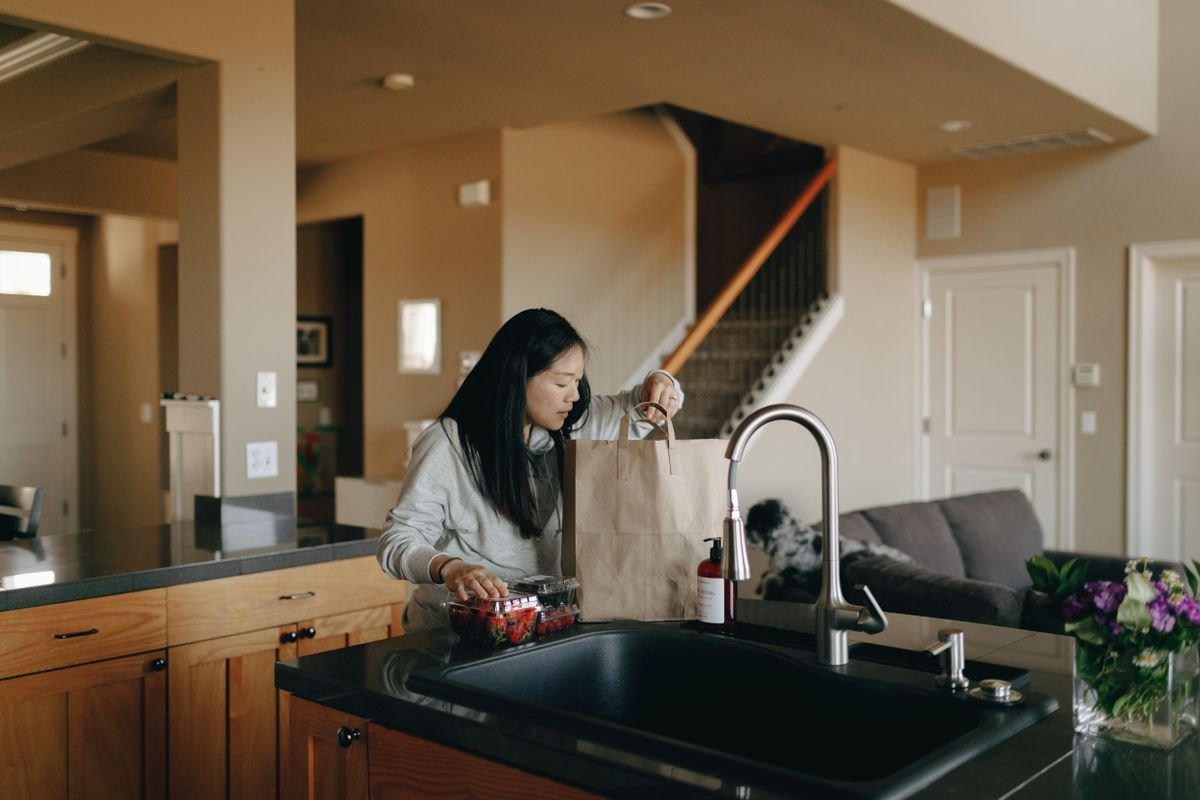
A grocery order works better when someone has planned the delivery window, substitutions and the unpacking.
Coordinate food offers around portions, preferences and delivery arrangements rather than a crowded calendar.
Allocate complete household responsibilities so one parent does not become the manager of every small job.
Make visits predictable, with a clear start, a short duration and permission to change your mind.
Separate clean equipment, used items and preparation space without filling every kitchen surface.
Look for a protected opportunity to rest, then arrange the work that would otherwise interrupt it.
Put the supplies within reach before choosing extra furniture for a second changing area.
Record who each appointment is for, where it happens and which arrangements still need confirming.
Keep current care instructions accessible while protecting the private information that comes home with you.
Offer a specific, finishable task so a visit leaves the household with less to do.
Choose a small purpose and an easy route home for the first outings you want to make.
Give used clothes a destination and clean essentials a short route back into use.
Translate your own discharge advice into jobs other people can take over, rather than following someone else's recovery timetable.
Arrange the adult bedroom around a separate baby sleep space and unobstructed access.
Build a plan with named people and small commitments when there is no other adult living at home.
Divide the work around night feeds and wake-ups while respecting the baby's feeding plan and both adults' capacity.
Choose one way to notice low supplies and one person to place the next order.
Bring observations and a clear question to a feeding conversation instead of trying to diagnose the problem yourself.
Use labels and a clear workflow to support the handling guidance provided for your baby's feeding plan.
Keep the feeding parent included in the meal without making them serve, explain or wait until everyone else is finished.
Plan jobs for each baby's needs and the household around them, rather than simply doubling a single-baby shopping list.
Preserve a few familiar points in an older child's day and make them clear to anyone helping.
Separate essential work from appearances, then decide what you will deliberately leave for later.
Plan the whole journey, including carrying equipment, waiting and getting home again.
Respond to advice with a short boundary that matches the relationship and the situation.
Before a helper leaves, transfer the work they have been doing to a realistic next arrangement.
Rehearse the parts of the day that will change before the first workday arrives.
Capture the question while it is fresh, then keep the list short enough to use at the next conversation.
Use a few reliable food and break arrangements rather than trying to schedule every hour with a newborn.
Ask for a particular kind of company and give the visit an easy ending.
Pack the appointment bag around the visit's purpose, the expected time away and your own care instructions.
Review whether support still matches your household instead of ending it because a calendar milestone has passed.
Separate the help you need today from the longer support plan, and use a health professional when you are concerned about how you feel.
No articles match. Try a shorter phrase or clear your search.