Make the first visit possible
A pet-care plan can fail before feeding time if the helper cannot get through the door. Give the agreed person a working key or another tested access method. Explain the alarm, the door that sticks and how to secure the gate. Check that your pet and helper have met in a calm setting before expecting them to manage an unfamiliar handover.
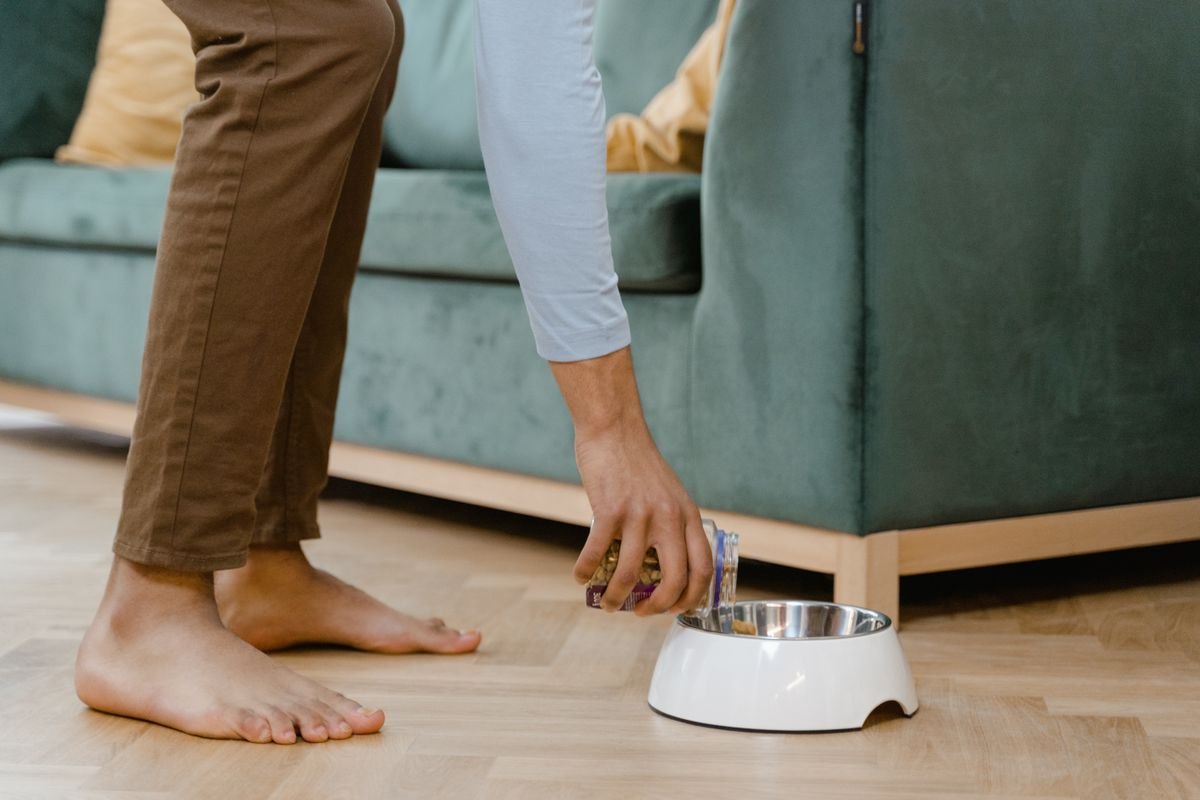
Write down the pet's routine using the food and equipment already in the home. Mark the correct food container and the usual measuring scoop. If the animal has medication or other health needs, give the helper the veterinarian's current instructions and contact details; do not substitute a rough description from memory.
Plan beyond one meal
Ask what the helper can cover over the next day or two and who can take over if you remain away. One neighbour might manage a first visit while a regular sitter handles later care. Let both people know the arrangement, including who will confirm that the next person has accepted the handover.
Keep essential supplies in a single accessible place. Food, leads, waste bags and cleaning materials should not require a search. For a pet that stays elsewhere, pack familiar equipment and written information about its routine. Confirm transport arrangements and any boarding requirements directly with the provider.
Tell the helper how to reach you for a genuine decision and whom to contact if you are unavailable. Discuss what authority they have to speak with the veterinarian and how costs would be handled. Requirements differ between practices, so ask the practice what it needs rather than assuming a note will cover everything.
When you return home, the helper can report what was done and anything unusual they noticed. That report is more useful than a stream of reassuring messages during the birth. A simple note about feeding, walking and supplies keeps the handover brief.
Prepare the baby's arrival separately from the absence plan. If you have questions about your pet's behaviour around infants, seek advice from an appropriately qualified animal professional. A pet-care article cannot assess a particular animal. For this plan, the immediate aim is clear responsibility while you are away, with enough flexibility to extend care without leaving anyone guessing.