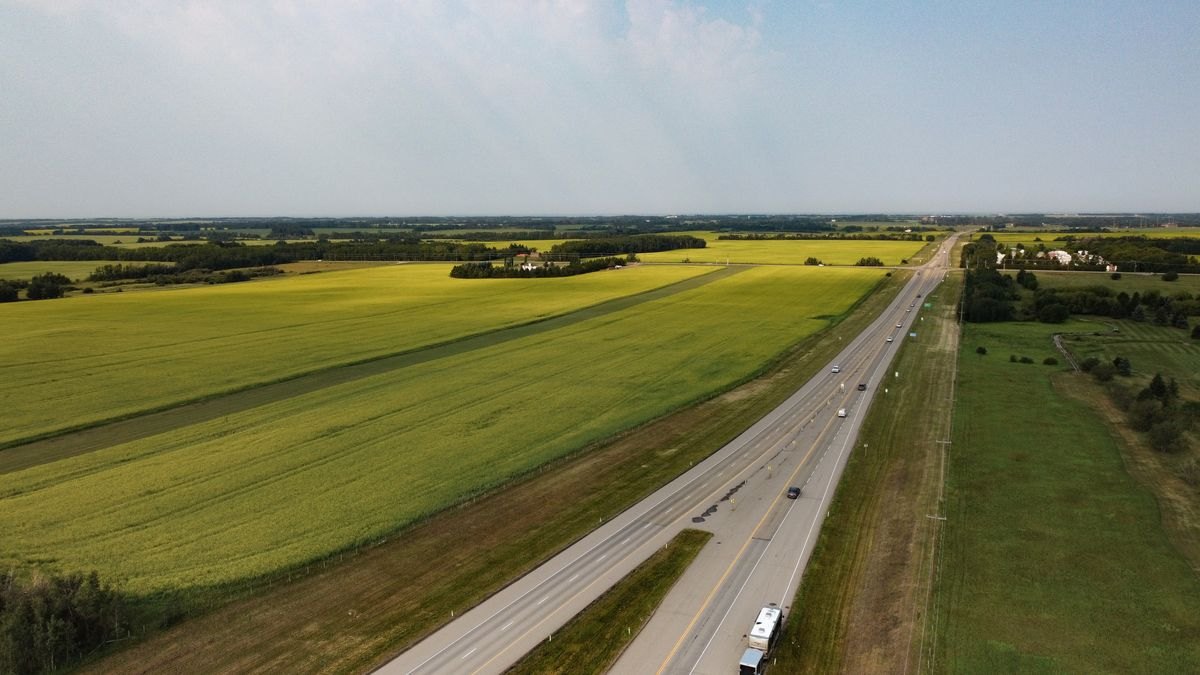
A rural address can make a routine hospital journey more complicated than its distance suggests. Road conditions, mobile coverage, a driver's work location and care for animals or older children may all affect the plan. Discuss the travel distance with your maternity care team so their instructions reflect where you live.
Ask which decisions need clinical guidance
Confirm when and how you should contact the team, where you should go, and what to do if you cannot reach the usual number. Do not use a general article or a mapping estimate to decide when to leave during labour. Ask your provider whether your circumstances require any additional travel planning.
Record the full facility name and the entrance instructions you have been given. Save a route offline if mobile service is unreliable, and keep a paper copy of essential numbers. A companion should be able to find the destination even if your own phone is unavailable.
Check the people at both ends of the journey
Name the intended driver and a backup who has actually agreed. Consider how quickly either person can reach your home, not only the drive from your home to the facility. A partner working in another community may need a different arrangement from someone already nearby.
If you care for livestock, pets or a household heating system that needs attention, identify a person with the right familiarity to take over. Give them access and instructions before you leave. Avoid assuming that a friend who can feed a cat can also manage unfamiliar farm tasks.
Arrange older children's care with the same attention to distance. The caregiver may need to cover school transport or stay overnight. Keep the initial plan and an extension plan separate so a longer stay does not leave the next school morning unresolved.
Prepare for a longer absence without predicting one
Keep a small refill bag at home and tell a helper where it is. If the facility is far away, ask about accommodation and support-person arrangements directly rather than assuming a companion can remain overnight. Check current costs and availability when making an actual booking.
Before a routine trip, review official road information and weather conditions. If travel conditions interfere with your care plan, contact the care team for instructions; do not quietly postpone needed care because the logistics are difficult. Emergency situations require emergency services.
When the plan is written down, give a copy to the driver and the person coordinating home tasks. Each person should know their role without needing the entire family's private information. Recheck the plan when work schedules, roads or care arrangements change.
Do not put the entire plan on one phone
In a household with patchy mobile coverage, decide where a driver or helper can reliably receive an update. Give them an alternative contact method you have tested, and agree what they should do if a message does not arrive. Avoid treating a lack of signal as confirmation that plans are unchanged.
Write rural directions in the form a visitor can use, including the appropriate address and any entrance details. A familiar landmark may help a neighbour but mean little to someone coming from another community. Keep those directions with the home-care handover as well as the travel note.
For a scheduled appointment, review the whole time away rather than only the appointment length. The journey, parking and return trip may span a child's pickup time or an animal-care task. Cover that interval explicitly. If the appointment changes at short notice, the coordinator can update those specific responsibilities instead of rebuilding the entire plan.