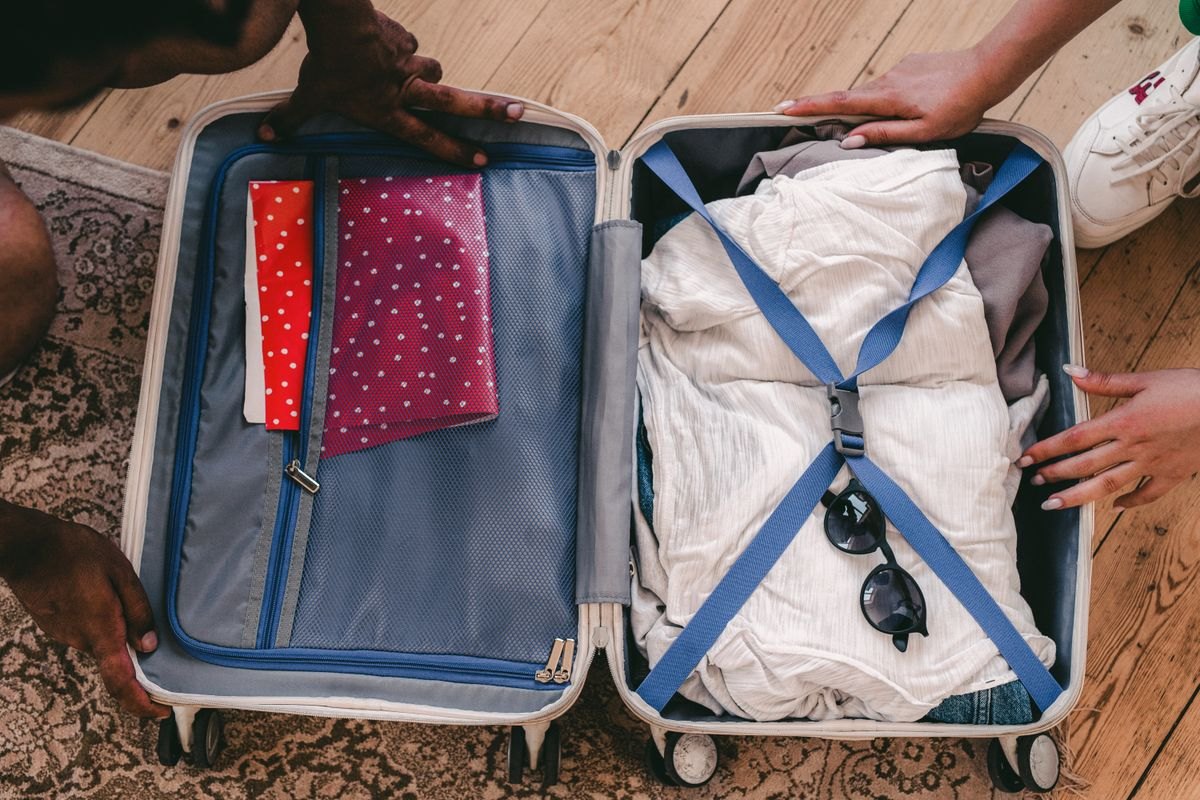
A relative's journey can be a generous offer and still create work for the household receiving them. Before tickets are booked, discuss whether the trip is mainly a social visit or a period of agreed help. The distinction affects timing, accommodation, meals and how much company you want to provide.
Keep uncertain dates visibly uncertain
An estimated due date is not a guaranteed arrival date for the baby or a confirmed visiting window. Ask relatives to consider flexible arrangements and read the terms of any booking themselves. Do not promise that a particular week will be ideal or that you will be available to host if plans change.
Talk about where they will stay. If your home has limited space, nearby accommodation may make the visit more manageable, but costs and availability must be checked. A guest room should not be assumed if it is also the household's rest space or a room needed for an older child.
Describe a useful day of help
Explain what you would actually like them to do: prepare dinner, handle school pickup where authorized, shop for groceries or spend time with an older child. Ask which jobs they are comfortable doing and whether they need transport. A visitor who cannot drive may still help at home, but should not become the only plan for appointments.
Discuss food and household expectations. Will they make their own breakfast? Are they comfortable taking quiet time separately? Do they expect outings together? These questions are easier to answer before the trip than when a new parent feels obliged to entertain.
Give access and local information in one message, including the agreed arrival time and who will meet them. Keep sensitive details such as door codes limited to the people who need them. If you cannot collect them from the airport or station, state that early.
Plan how the visit ends
Set an expected departure date and a way to review the arrangement. An open-ended stay can make both sides uncertain about whether more help is wanted. If the visit is helpful, you can discuss an extension; if it is tiring, you can shorten activities without turning gratitude into an obligation to host.
Before they leave, ask for a brief handover of any tasks they have taken on. A freezer inventory, school reminder or location of clean laundry may be useful. The visit should leave the household able to continue, rather than depending on a routine nobody else has been shown.
Separate travel recovery from household help
A relative arriving after a long journey may need food, sleep and time to settle before they can take responsibility for a task. Do not schedule their arrival as the exact moment another helper leaves unless the handover is realistic. Allow an overlap or a lighter first evening where possible.
If they will use your vehicle, tools or household equipment, discuss the relevant arrangements in advance. Familiarity with you does not mean familiarity with the home. Show them the routine once and provide the information they need, especially where a task involves another child's school or a service outside the house.
Ask them to tell you early if their return travel changes. An extra day may be welcome or may clash with another arrangement. Neither person should have to infer whether staying longer means more help, more hosting or simply waiting for transport.