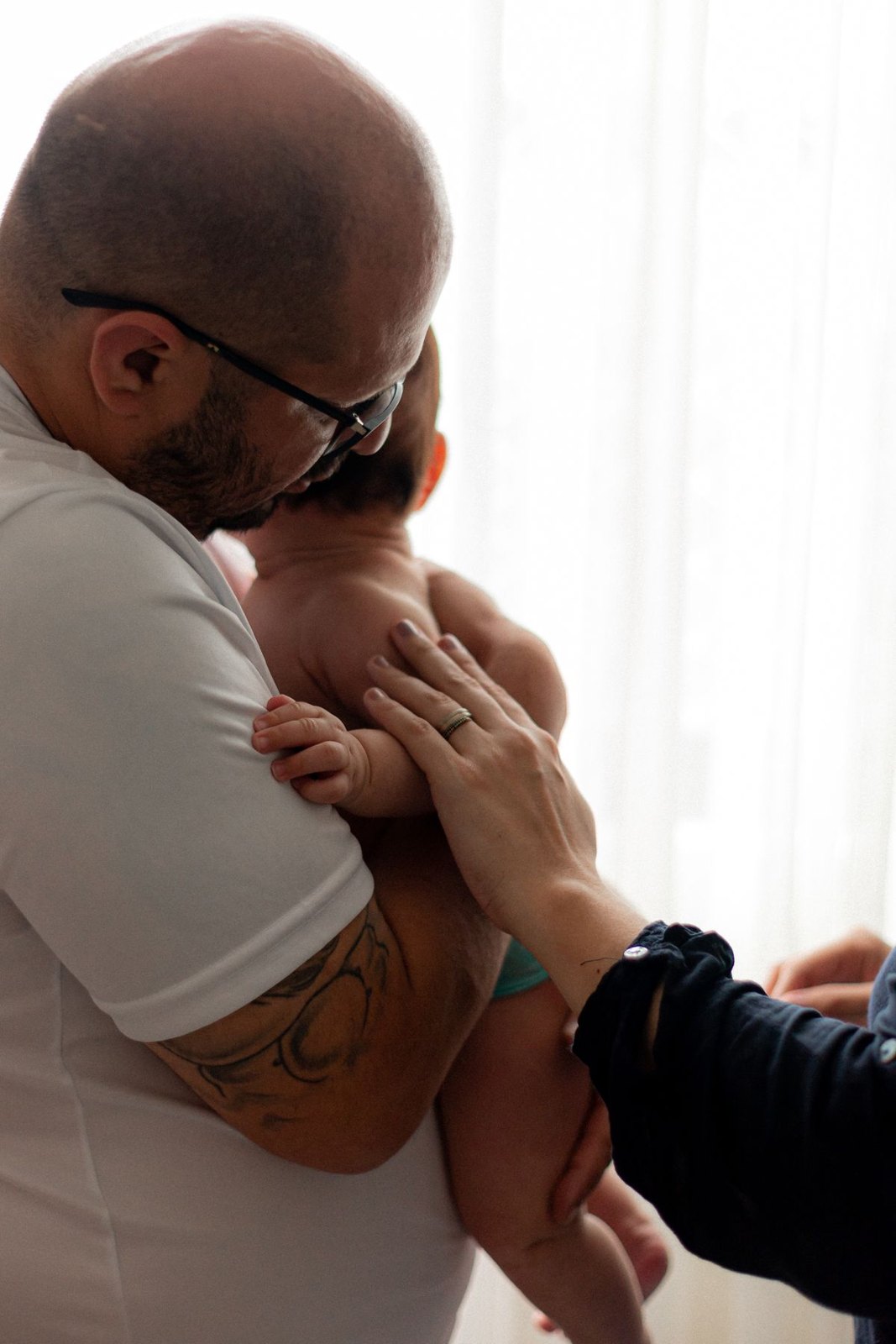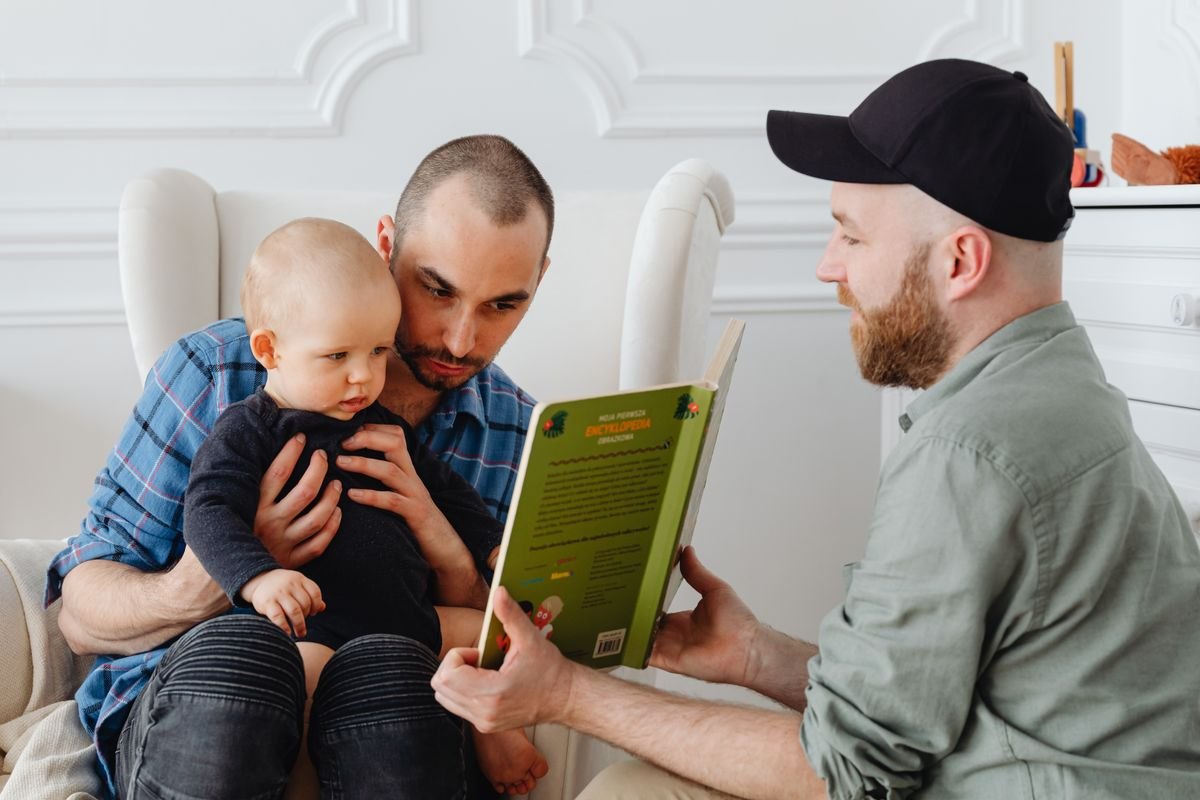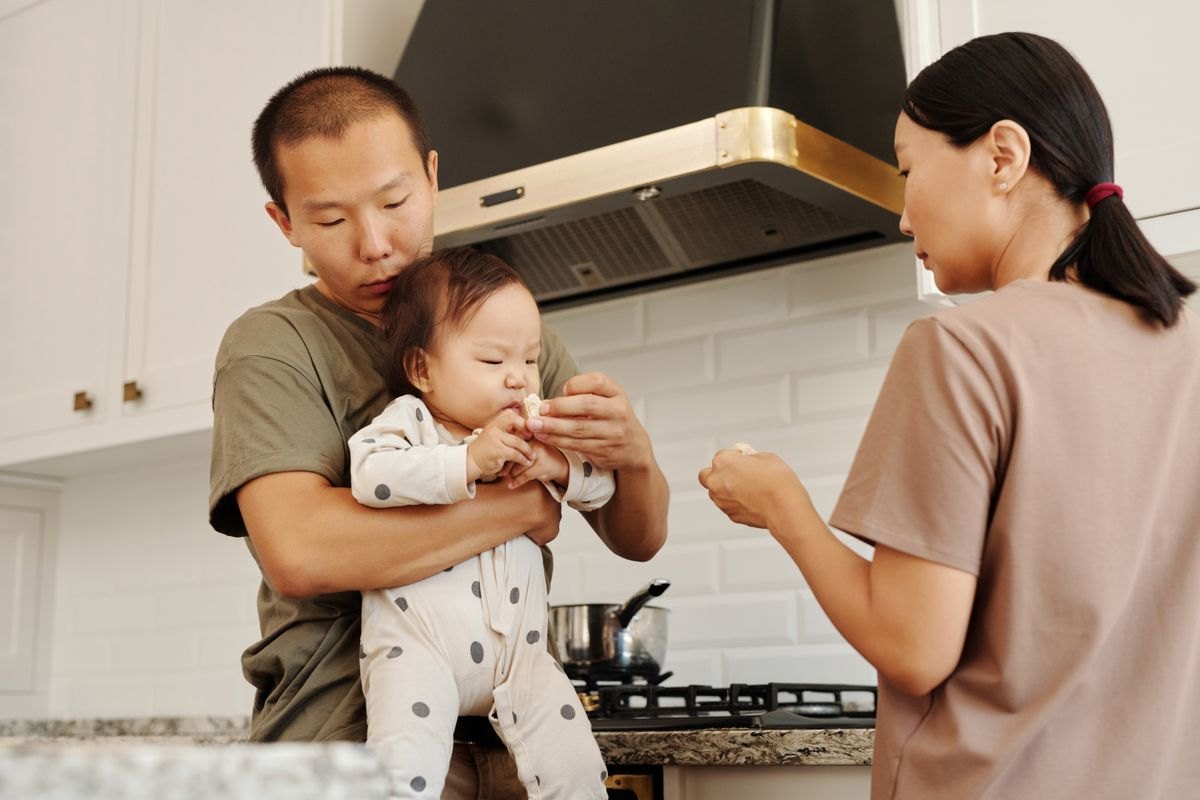
Supporting a feeding parent begins with listening to what they need now. They may want company, privacy, an item brought closer or a question written down for a care provider. Do not assume that watching a feed gives you enough information to evaluate how it is going or recommend a change.
Take responsibility for the surrounding tasks
Make adult food and drinks available, keep commonly used items within reach and handle agreed household jobs. If there are feeding supplies to wash or prepare, follow the parents' current instructions and relevant official guidance. Ask for a demonstration where needed instead of improvising from an old routine.
Keep help easy to accept. 'I have made your lunch; would you like it here or in the kitchen?' requires less planning than 'Tell me if you need anything.' At the same time, respect a refusal. The person may want a different kind of help or no conversation at that moment.
Leave choices with the parent and care team
Avoid comparing the baby's feeding with another baby's habits or treating one relative's experience as a rule. If the parent has a concern, offer to help contact the relevant provider, prepare a question or arrange transport. A support person should not diagnose a problem or pressure the parent toward a particular feeding choice.
Ask before discussing feeding details with visitors. Something shared privately with a partner does not automatically belong in a family update. If advice begins to overwhelm the parent, you can help close the conversation: 'They have a plan with their care team; today we are focusing on lunch and rest.'
Notice whether the surrounding work is actually being completed. Bringing a snack is useful, but leaving dirty dishes or a disorganized kitchen for the parent to deal with later may cancel some of that help. Finish the task you offered.
Check in without requesting a report on every feed. A simple question about what would make the next part of the day easier keeps attention on the person's needs. Your contribution can be substantial even when you are not the person doing the feeding.