Three lasagnes arriving on the same afternoon can create more work than one useful dinner. A meal train needs enough coordination to spread out the food, but it should not become another project for the new parent to manage. Ask one willing friend to collect offers and keep the household's preferences in one place.
Tell that coordinator how many people need a meal, including older children and anyone staying to help. Describe allergies and foods the household avoids clearly. Ask contributors to include an ingredient list so the recipient can check the meal rather than infer its contents from a photograph or dish name.
Choose the format before filling dates
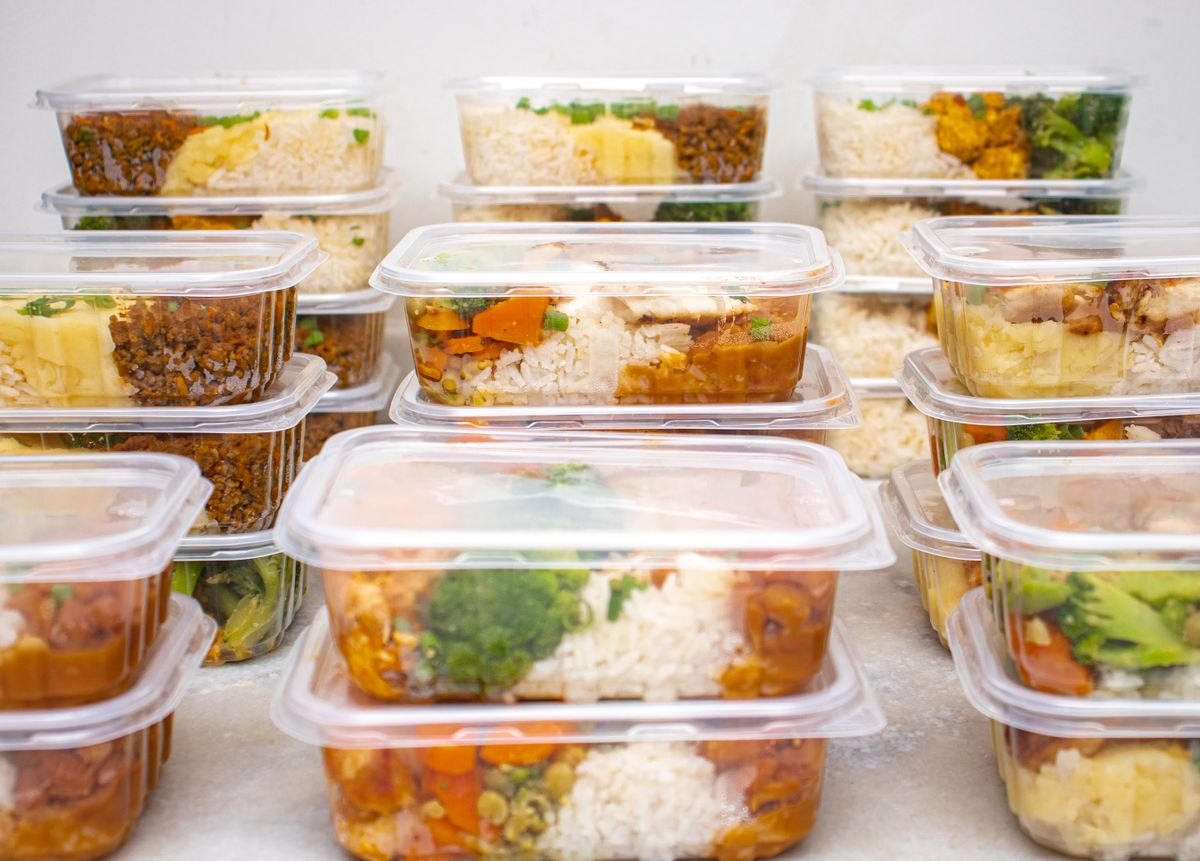
Some households want individual portions that can be eaten at different times. Others prefer a single family dish. A freezer meal is useful only if there is freezer space and someone can follow its preparation instructions. A grocery credit or an agreed collection from a familiar restaurant may suit a family whose preferences are difficult for others to cook around.
Leave gaps in the calendar for leftovers and meals the family already has. An offer of breakfast food, cutlery or washing the meal containers may help more than another evening delivery. Let people contribute without requiring a particular cost or homemade food; a simple item the household requested still has a purpose.
For a household of two adults and a preschooler, the coordinator could request enough for one evening meal and a small lunch portion, rather than accepting a tray intended for ten people. That description is more useful than calling the family "small." If visitors or overnight helpers are eating with the household, include them in the count only for the days they will actually be there.
Keep an easy way to decline or redirect an offer. Someone may want to cook a favourite dish that the household cannot eat, or deliver on a day already covered. The coordinator can reply, "Thank you; that evening is full. Could you bring bread and fruit on Thursday instead?" A contributor should receive the current request rather than a private explanation of the parent's health or why their food was not chosen. If an ingredient cannot be checked confidently, do not present the meal as suitable for an allergy simply to avoid disappointing its maker.
Make delivery separate from visiting
Give a delivery window and a contact person. Explain whether the contributor should knock, text on arrival or hand the meal to a helper. Food should reach someone who can store it appropriately; a doorstep drop is not a plan if nobody knows when it arrived.
Use a clear message such as, "Dinner deliveries are welcome on Tuesday and Friday. We are keeping visits separate for now. Please text Sam when you arrive." That prevents a short food handover turning into an unexpected hour of hosting.
Include preparation and storage instructions, the date made and any containers that need returning. Where possible, choose packaging that does not create a collection route for the recovering household. If a valuable dish must come back, the coordinator can arrange its return.
Adjust after the first deliveries
Ask one brief question: is this amount and type of food working? If the refrigerator is full, pause new meals. If dinners are covered but lunches are being missed, change the requests. Thank contributors through the coordinator or a shared message; the family does not need to produce an individual review of every meal.