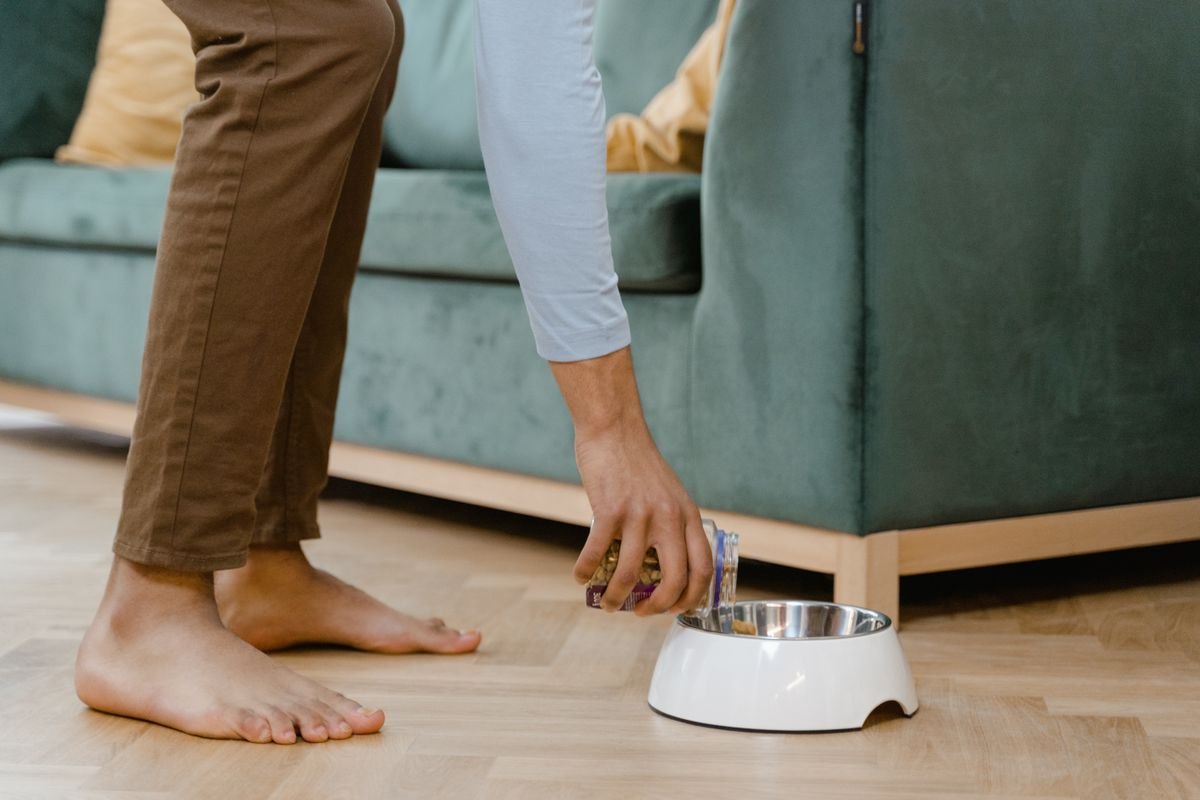
Not everyone on a birth-day contact list needs the same information. A care provider needs the reason for a call; a neighbour may only need to know that the dog needs feeding. Keeping those roles separate helps the person making calls avoid sharing personal details unnecessarily.
Start with the numbers your care team has instructed you to use. Copy them from current written information and check whether there is a different contact outside office hours. Label the purpose of each number. A clinic's general reception number should not silently stand in for an after-hours maternity contact.
Put household responsibilities beside the names
Under a separate heading, list the people who have agreed to specific tasks. Write 'Sam: school pickup; backup Lee' rather than simply 'Sam'. Add the minimum detail needed to act: the pickup location, where a key is kept, or whether the person needs a call rather than a text.
Check these arrangements with the people named. Having someone's number does not mean they are available or have agreed to the responsibility. If your first choice has limited hours, write those down so a companion does not repeatedly contact someone who cannot answer.
For a child-care handover, detailed routines and permissions belong in the caregiver's separate information sheet. The birth-day list should point to it. That keeps the main contact page short while giving the caregiver the information they need.
Keep news on its own line
If you want family updates sent, choose one person to coordinate them. Give that person a small approved recipient list and a clear boundary about photographs or forwarding messages. They do not need access to your medical records to tell relatives that you will share news when ready.
Store the finished contact sheet in two usable places, such as a phone note and the document pouch in your bag. Consider whether a locked phone would make it inaccessible to your companion; sharing a copy is usually simpler than sharing all your phone access.
Remove numbers that no longer apply when arrangements change. Date the page, and avoid leaving several different 'final' copies in circulation. After the birth, you can replace the sheet with the contacts you actually need for home support and follow-up care.