Define the result you need
An offer to 'pick up a few things' becomes easier to use when the list is specific. Include quantities, important product details and an acceptable substitute where one exists. For an item that must be exact, say what the helper should do if it is unavailable rather than leaving them to guess.
Agree on spending and payment before the errand. A small purchase can still create awkwardness if one person expects reimbursement and the other thinks it was a gift. Tell the helper whether you want a receipt and how you will settle the cost.
Provide the access details once
Give the destination, opening or collection information you have confirmed, and any reference number needed. For a pharmacy or another service with privacy or authorization requirements, ask the service what a helper may collect and what information they need. Do not assume that friendship gives access to someone else's records or prescriptions.
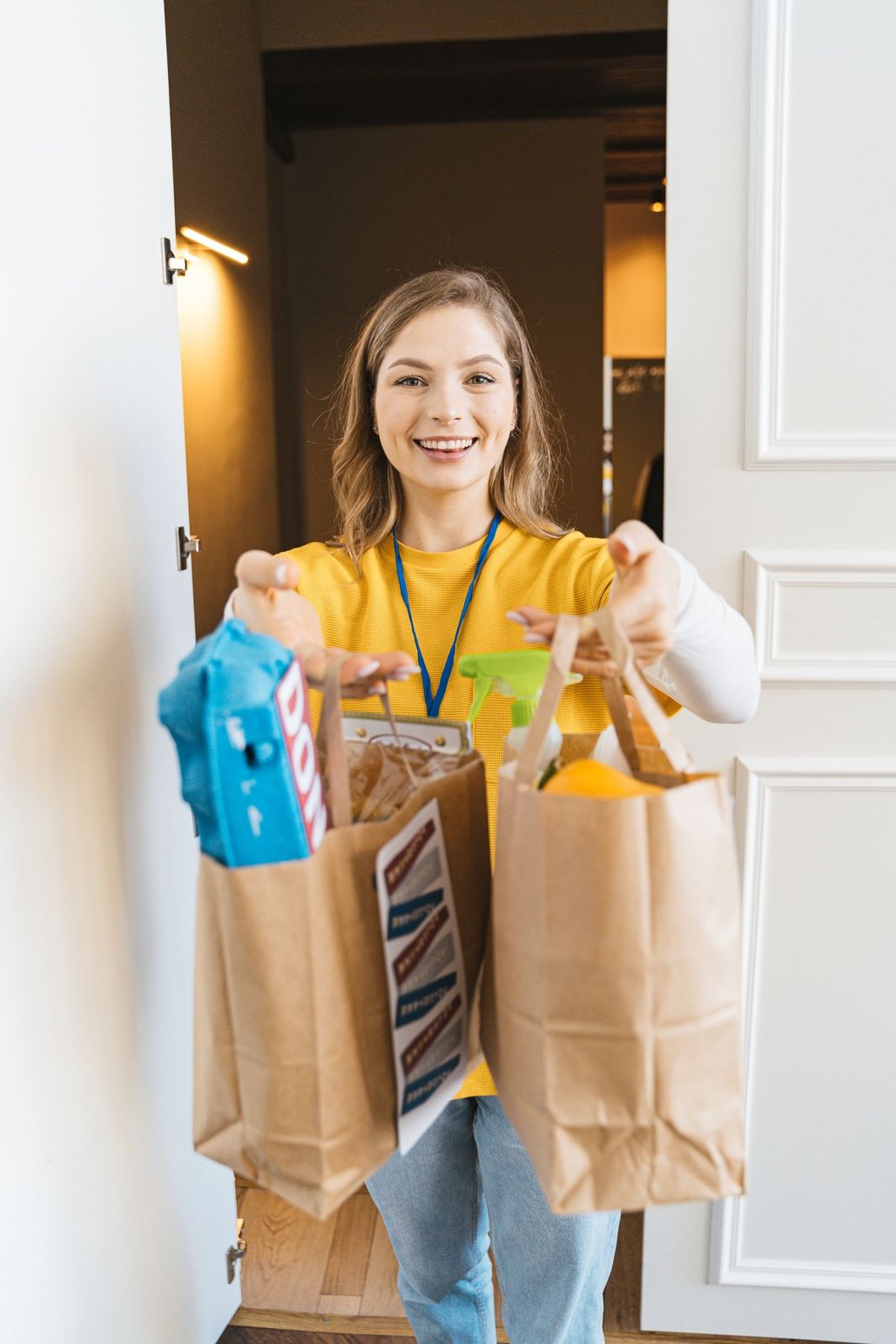
Tell the helper where to bring the items and whether you want a visit. 'Please leave the groceries at the door and text me' is a different arrangement from 'come in and put the cold food away'. Confirm that someone will receive items that need prompt attention.
Allow a straightforward decline
Ask whether the task fits the helper's route and time. A friend who can do one errand should not discover several additional stops after agreeing. If the request changes, ask again and make it easy for them to say that the larger job does not work.
If several friends offer help, give each a distinct task. Keep a short record of what is already assigned so two people do not buy the same supplies. One household coordinator can handle this if the new parents do not want to manage several conversations.
When the errand is complete, acknowledge it and close any payment or return arrangement. Put the items away or ask for that final step explicitly. A well-defined errand removes work because it includes the handover, not only the trip to the shop.