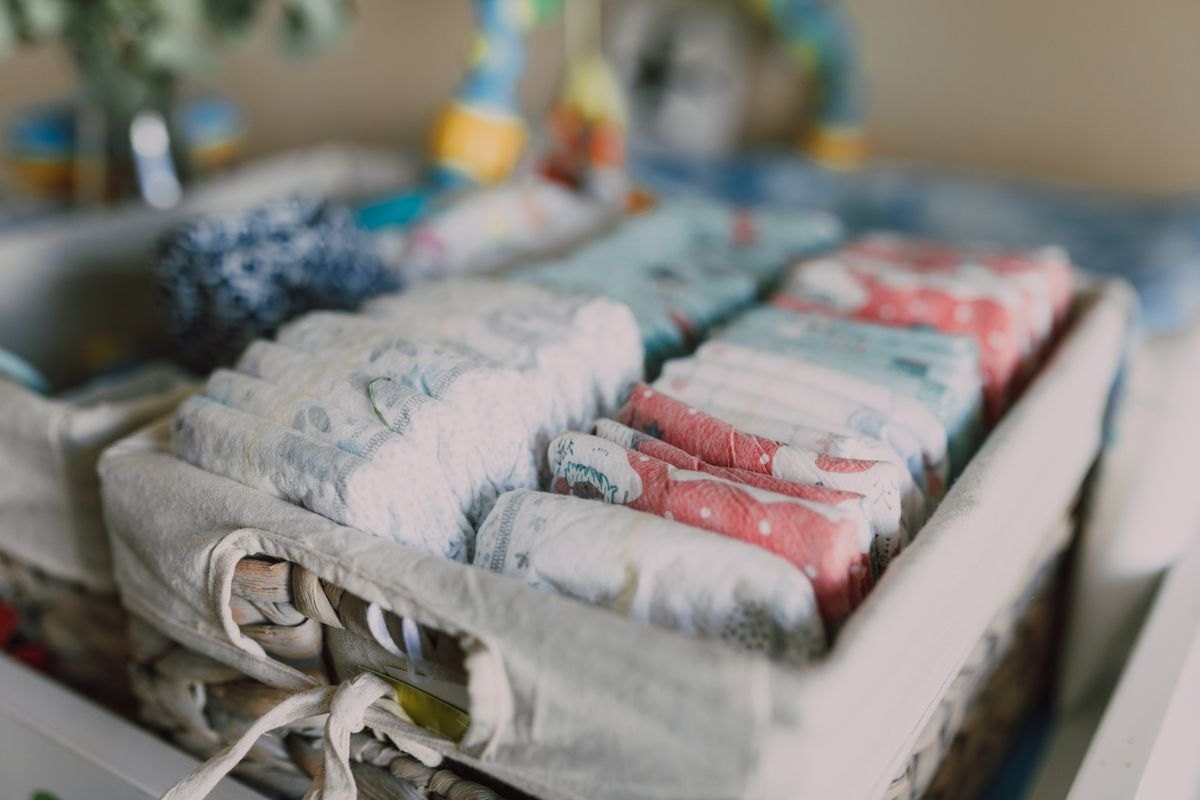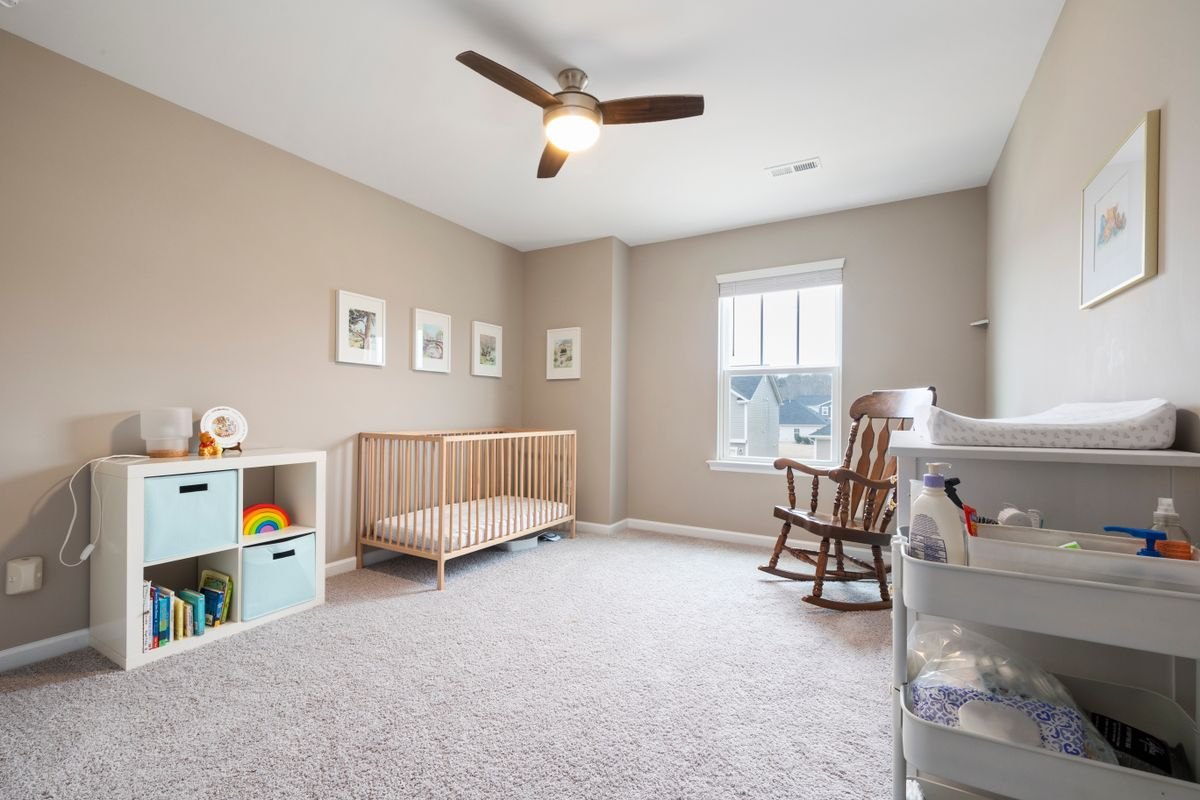
Limited storage changes which baby purchases make sense. An item that seems useful in a large nursery may become an obstacle in a small home. Before buying furniture or accepting several bags of hand-me-downs, measure the space you actually have and notice the routes you need to keep usable.
Make a place before making a purchase
Choose homes for a small supply of clothing, diapering items and the adult things you use every day. Test whether drawers open fully and whether doors can close with the new arrangement. A storage unit that fits against a wall may still block access when its doors are open.
Keep ordinary household supplies in mind. Baby items should not displace medication, cleaning products or other potentially hazardous materials into unsuitable places. Follow product instructions for furniture placement and securing, and keep access routes clear. A crowded floor is not extra storage.
Accept smaller batches
If a relative offers clothes in several future sizes, ask whether they can keep some until needed. Label the size you are using now and store only the next manageable batch if space allows. You can appreciate an offer without accepting everything at once.
For borrowed equipment, agree on collection and return dates. An unused item waiting indefinitely for pickup still occupies space. Keep the owner's name and any instructions with it so returning it does not become a separate investigation.
Avoid organizing around matching containers before you know what needs storing. Use a few existing boxes or drawers to test the arrangement. After a week of actual use, you will know whether a lidded box is convenient or whether opening it repeatedly is awkward.
Protect the spaces with a specific purpose
Keep the baby's sleep space for sleep, following current Canadian safe-sleep guidance and the product's instructions. Do not turn it into temporary storage for blankets, packages or toys. The same principle helps the adult rest area remain usable: a chair covered in deliveries cannot serve its intended purpose.
Choose one place for incoming parcels and decide who will unpack, check and remove packaging. This prevents new items spreading through the home before they have an assigned place. A small home often works better with fewer items that have clear uses than with a storage system designed to hold every possible purchase.