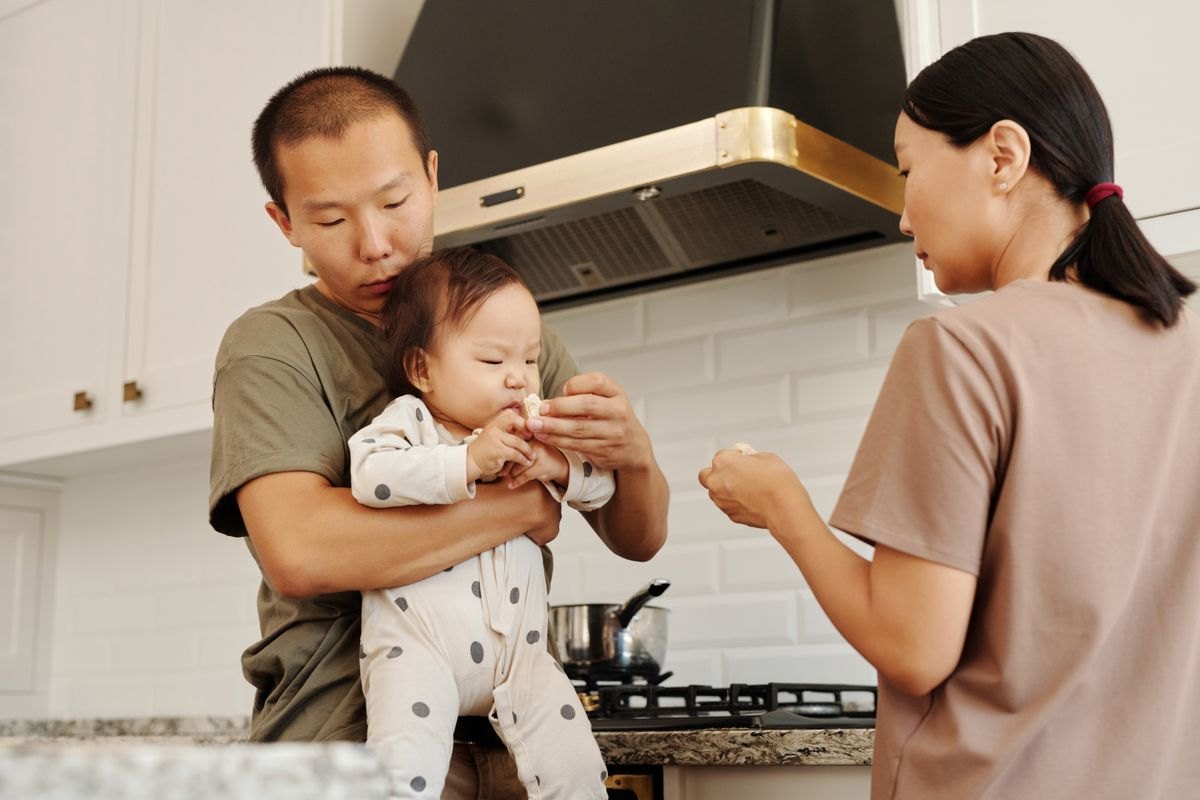
A blended family may have several homes, different visiting routines and adults with separate expectations about news. The arrival of a baby does not automatically resolve those arrangements. Keep the planning specific and avoid making children responsible for carrying messages between adults.
Start with the existing schedule
Identify which school days, overnight stays and transport arrangements are already planned. Discuss any proposed change directly with the relevant adults, following the arrangements that apply to your family. This article cannot interpret parenting agreements or legal responsibilities; seek appropriate advice where those are unclear.
Explain what you are requesting and why it affects logistics. For example, you may need a different adult to handle one pickup or want to arrange a short baby visit at a time the child is already nearby. Avoid presenting a tentative birth date as a fixed event around which everyone must reorganize.
Let the child arrive as a family member
An older child visiting a new sibling should not be expected to arrive as a helper or an audience for adult emotions. Make room for their usual belongings and ordinary needs. They may want a snack, a familiar activity or time with their parent before paying attention to the baby.
Tell them what the visit is likely to involve in simple terms. Do not promise that they can hold the baby or stay for a particular activity if that depends on circumstances. Ask whether they want to bring something, but avoid turning a gift into an obligation.
If several children have different schedules, resist comparing their involvement. A child who meets the baby later has not shown less interest or become less important. The adults can manage timing without making a ranking out of it.
Keep privacy and updates consistent
Agree which baby photographs and details can be shared, including across households. Explain the rule to adults directly rather than asking a child to police another person's social-media account. Consider the privacy of older children who may appear in family photographs as well.
Use a single current message for logistical changes. Several overlapping group chats can produce different versions of pickup times or visit plans. Send confirmed details to the people who need them and keep medical information out of general coordination messages unless you choose to share it.
After the first visit, notice what worked for the child. A shorter visit with time for their own conversation may be easier than a large gathering. Adjust the next arrangement around those observations, while respecting the family's existing responsibilities and the new household's need for rest.
Keep the child out of adult negotiation
Do not ask a child to persuade another household to change a schedule or report how that household reacted to the baby's arrival. Send the relevant adult a factual message about the arrangement you are requesting. The child should not have to choose whose version of the plan to carry.
If adults disagree, keep the disagreement away from the child's visit where possible and use the appropriate process for resolving it. A first meeting with a sibling should not become a test of loyalty. Avoid comments that compare homes or suggest that affection for the baby requires taking sides.
When a visit is postponed, explain what is known and what remains undecided. Offer a new plan only when it is confirmed. A short approved photo or message may help the child feel included if they want it, but it should not be used to pressure them into a particular emotional response.