Explain the changes they will actually notice
An older child does not need an adult's complete birth plan. They may need to know who will make breakfast, where they will sleep while you are away and whether someone will still read their usual bedtime book. Begin with those concrete details and invite questions without trying to anticipate every feeling.
Use language that suits the child's understanding. Avoid promising that the baby will immediately become a playmate or that being an older sibling means they must be cheerful and helpful. The child can be curious, uninterested, excited or upset at different moments.
If a caregiver will take over during the birth, let the child spend some ordinary time with them beforehand where possible. Show them the belongings they will take and explain how you expect to share updates, without promising a call at a time you cannot guarantee.
Keep a few familiar points in the day
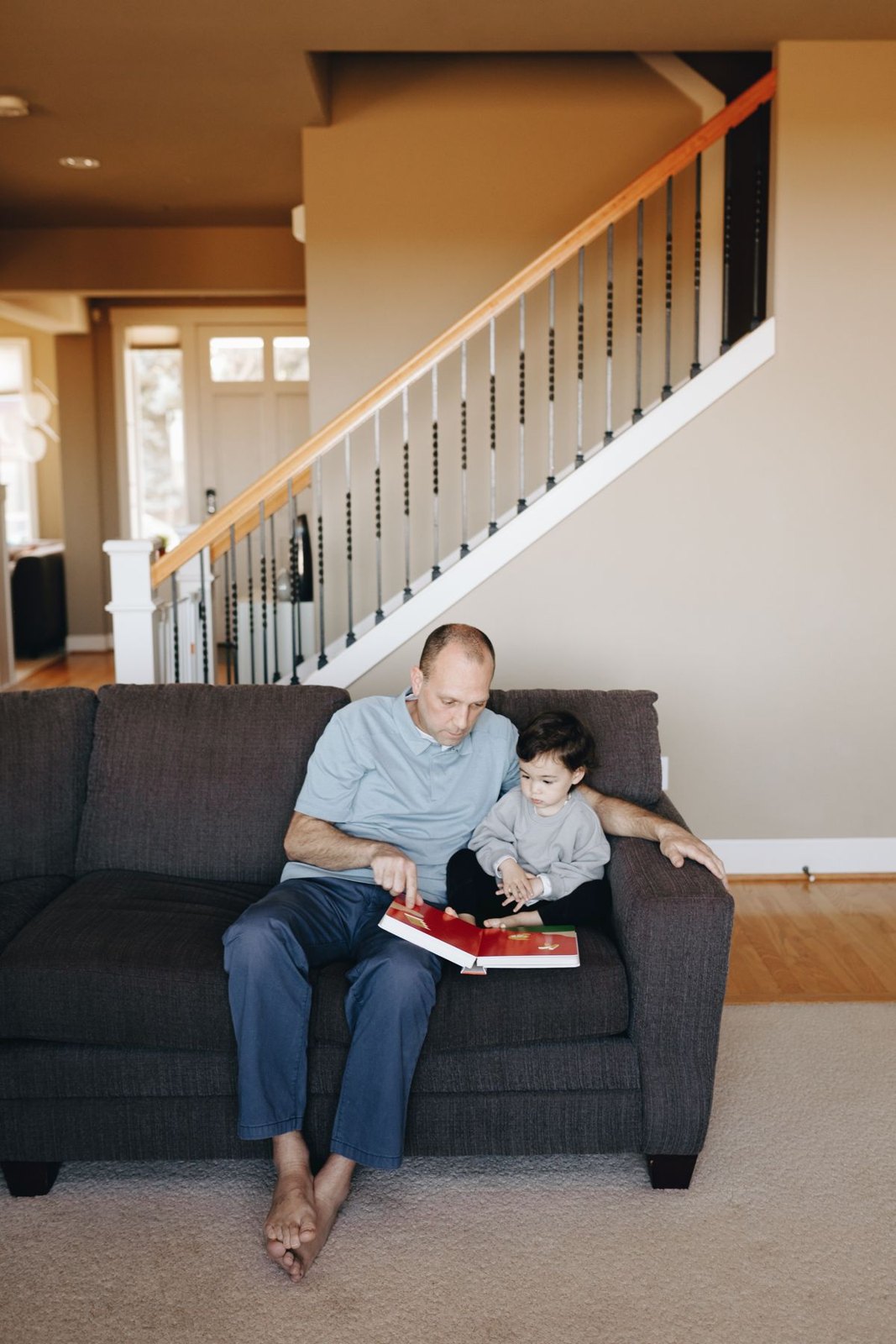
Choose routines the household can realistically continue, such as breakfast together or a short story before bed. Do not promise an ambitious daily outing if nobody can reliably arrange it. A small repeated activity can be easier to maintain than a special event.
Ask another adult to own the routine when needed. That means remembering it and gathering what is required, not waiting for the recovering parent to issue instructions each evening. Put school or child-care details in the caregiver's handover so the child does not become the messenger.
Offer involvement without assigning responsibility
An older child may want to choose a clean outfit or fetch an item with an adult. They may also want to play elsewhere. Participation should be optional and appropriate to their abilities; an older sibling is not a substitute for adult supervision or care.
Make room for their belongings too. If baby supplies take over a shared room, preserve a place that is still clearly theirs. Ask before moving treasured items, and explain changes rather than allowing them to discover that their usual space has disappeared.
When people visit, encourage them to greet the older child as well as the baby. Avoid requiring a performance such as holding the baby for every photograph. A child can be part of the family moment without doing something they do not want to do.
If the child asks a question you cannot answer, say so simply. You can return to it later or ask a relevant professional if it concerns health or development. Preparation is an ongoing conversation, not a single announcement that should settle the child's response before the baby arrives.
Avoid making every change about the baby
If a child must change rooms, move a bedtime routine or use a different caregiver, explain the immediate reason and the plan. Repeatedly saying 'because of the baby' can make the baby seem like the answer to every disappointment. You can be truthful without blaming the new arrival for each household limit.
Offer small choices where a choice really exists: which book to take to the caregiver's house, or where to keep a favourite toy. Do not offer a decision that adults have already made, such as whether a necessary care arrangement will happen. A real small choice is clearer than a large pretend one.
Keep a little time for conversation that is not about being an older sibling. Ask about their game, school day or current interest. They remain a person with a life outside the new family role, and visitors can follow your lead by noticing that too.