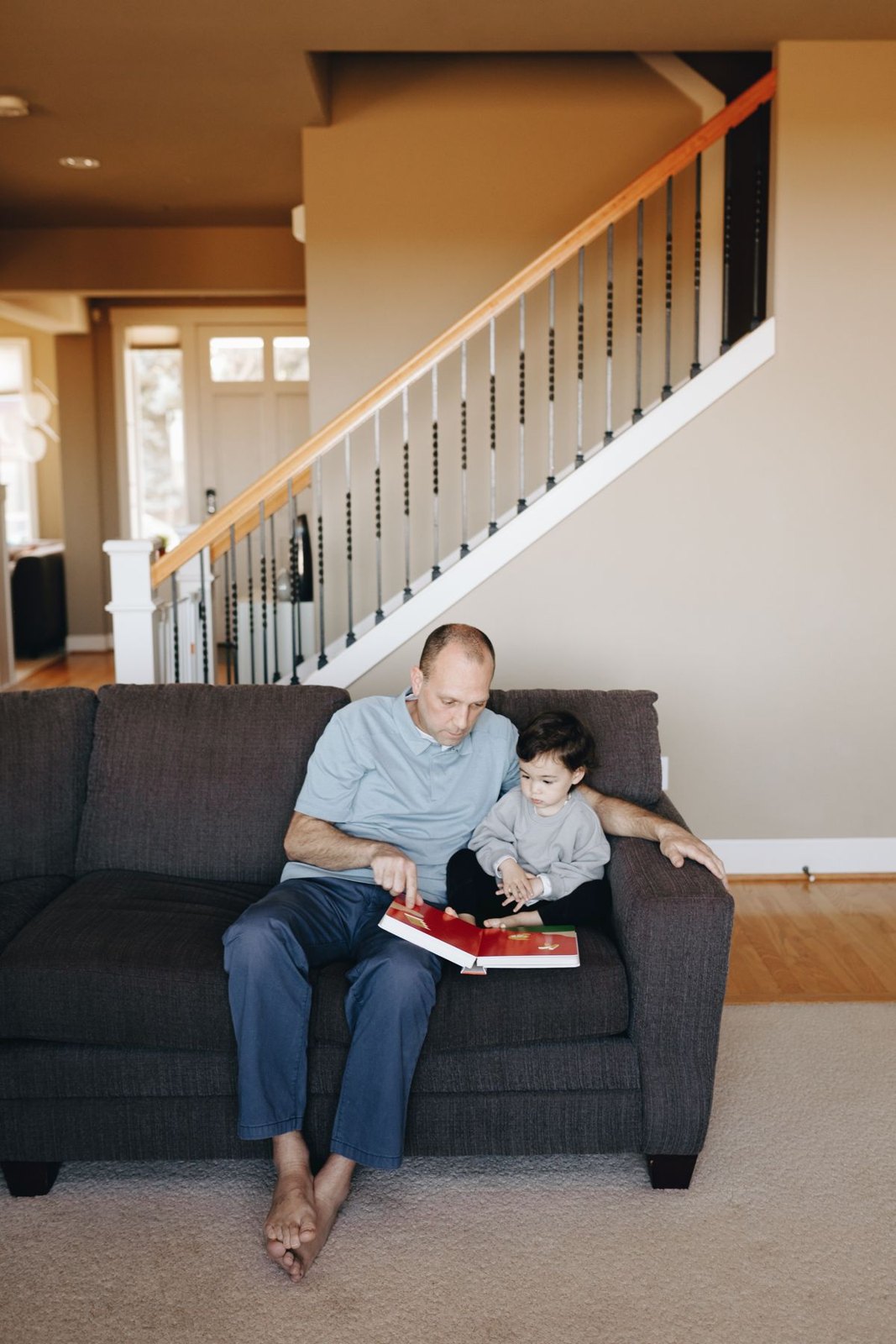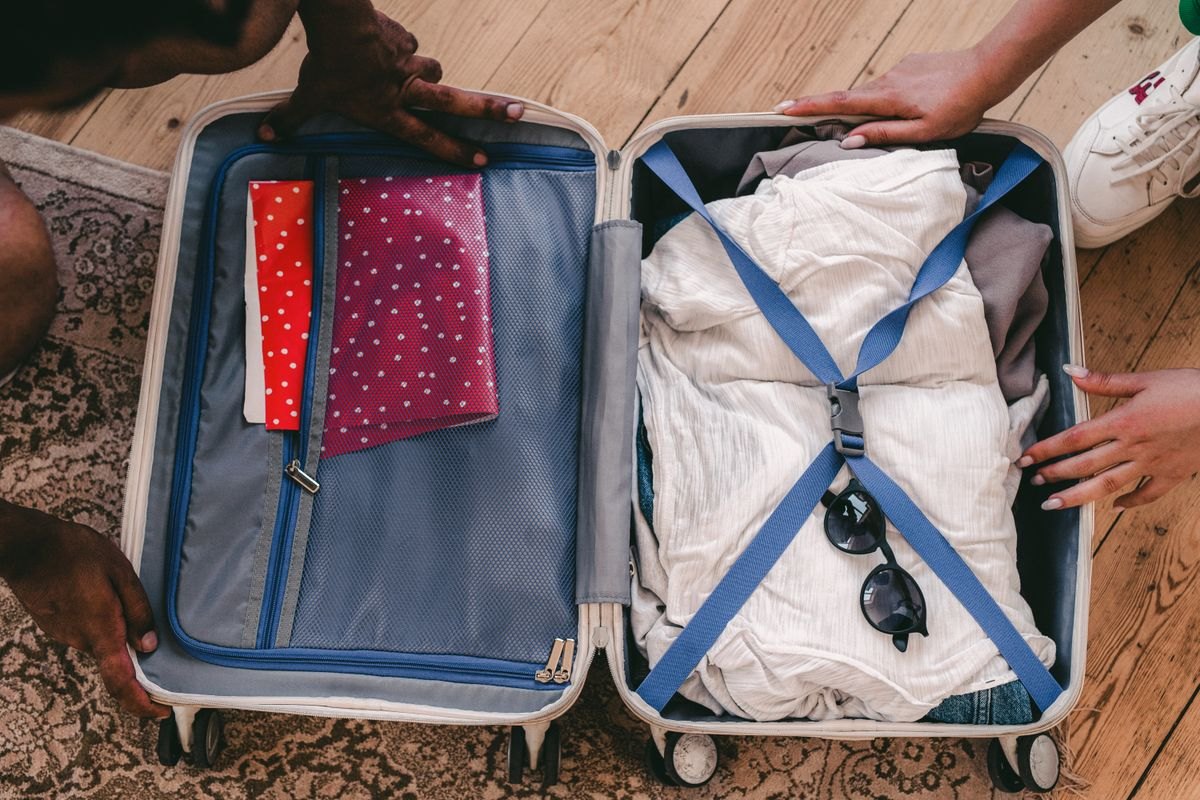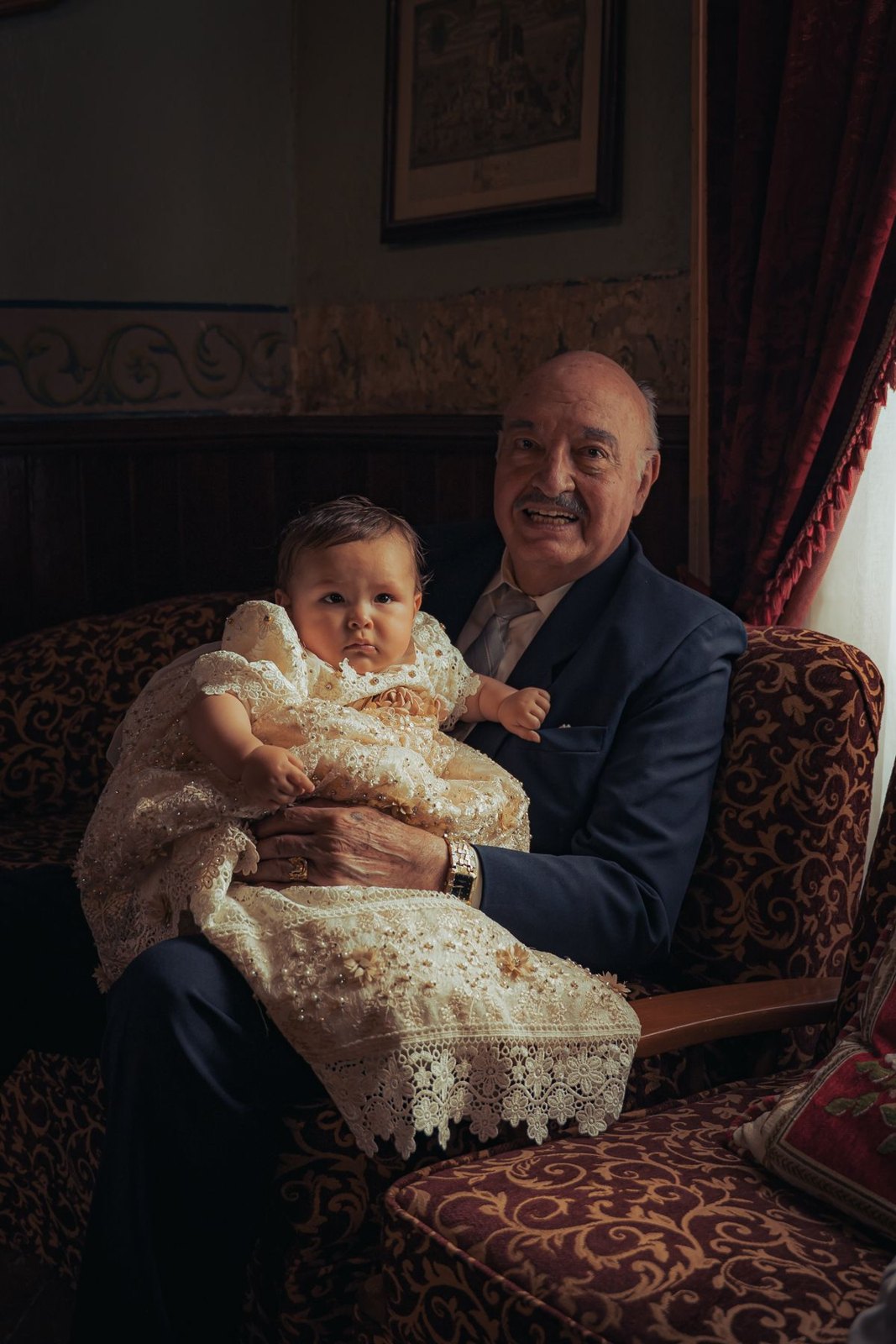
Grandparents may arrive with enthusiasm, familiar routines and their own ideas about what new parents need. Start by discussing an actual job rather than an open-ended promise to 'help with everything'. A defined role gives them a way to contribute without having to guess whether they are a visitor, a caregiver or a household helper.
Ask what they would enjoy and what they can comfortably manage. One person may happily cook but find stairs difficult. Another may be able to collect an older child but not stay overnight. Their limits should be part of the plan, not an awkward discovery after they arrive.
Agree on the work and the timing
Describe the task from start to finish. 'Bring lunch on Wednesday and leave it in the refrigerator' is clearer than 'come around at lunchtime'. If you want company too, say so. If you need a doorstep delivery, explain that the shorter visit is the arrangement that works that day.
Give necessary instructions without assuming family familiarity covers everything. Show where supplies are kept, explain a child's current routine and provide the information needed for any agreed pickup. Current care instructions should come from the parents and relevant professionals, not from how a previous generation did the task.
Make advice optional
You can welcome a grandparent's experience while deciding when advice is useful. A phrase such as 'We will ask when we want suggestions; today the laundry would help most' is direct without turning the visit into a debate about parenting styles.
If a care or safety question arises, look at current official guidance or ask the appropriate professional. Avoid asking a tired new parent to defend every instruction against family memories.
Set an end time or a review point for the arrangement. Thank the grandparent for the specific help and tell them what would be useful next. If the plan is not working, change the task or timing before frustration accumulates. A smaller reliable contribution often fits family life better than an ambitious arrangement that leaves either side feeling taken for granted.